
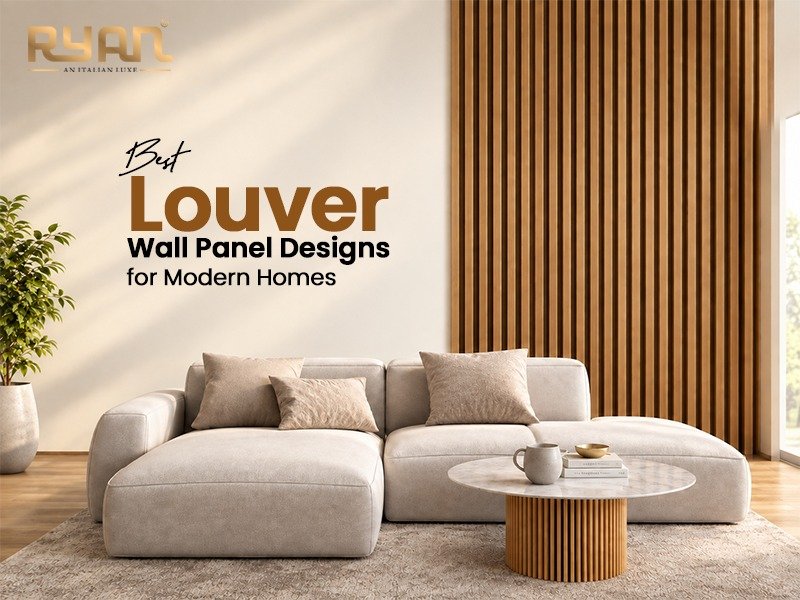
Louver wall panels are increasingly popular in modern interiors as they add texture and depth without creating a wall that’s too busy. The vertical lines give a room structure, and the various
colors and finishes mean the design can work in both simple and luxury interiors. But picking the best louver wall panels isn’t just about picking a design that looks good. The size of the wall, the
spacing between the louvers, the lighting in the room, and the existing furniture all influence the final outcome. Here’s a practical guide for choosing louver wall panels in a modern home.
1. Choose the Louver Pattern Based on Wall Size
The same louver design may not look the same on every wall. A narrow wall looks better with closely spaced louvers, a wide pattern on a large wall.
Before buying, check:
- Overall wall width and height
- Available installation area
- Position of doors, windows, and switches
- Whether the wall already has furniture or a TV unit
- Natural light level of the space
For instance, a large pattern on a small bedroom wall can feel crowded. A simpler louver arrangement can produce a cleaner look.
2. Decide Between Full-Wall and Partial Louver Design
Common options include
- Full-height louver wall
- Half-wall louver design
- Center louver panel
- Narrow vertical louver strip
- Louver section behind furniture
For example, if the TV wall already has storage cabinets, adding louvers only behind the TV can create a feature area while keeping the rest of the wall simple.
3. Understand Louver Spacing
Spacing is an important part of the final appearance. Two panels with the same colour can look completely different because of their spacing and depth. Closer lines can create a more detailed appearance, while wider spacing gives a cleaner and lighter look.
When selecting louver panels, consider:
- Width of each louver
- Gap between louvers
- Panel depth
- Overall wall dimensions
This is especially important for large feature walls because the pattern becomes a major part of the room.
4. Pick the Right Color for the Room
Color can change how the wall looks in natural and artificial light. Popular choices include:
- Light oak or natural wood shades for warm interiors
- Walnut and dark brown for a richer look
- Black or charcoal for a strong modern appearance
- Grey for minimal and neutral interiors
- Mixed shades for a more decorative design
For example, a room with cream walls and beige furniture may look better with a warm wood shade than with a very dark louver.
5. WPC Louvers vs. PVC Louvers
Material is another important factor when choosing a louver wall design. WPC louvers are often chosen when a homeowner wants the look of wood with the solid decorative wall finish. They can also think about PVC louvers if they are looking for a lighter panel that is simple to manage. The correct choice will depend on the intended application, the design requirement, and the product specification.
Check before you buy:
- Panel dimensions
- Thickness
- Surface finish
- Color options
- Installation method
- Care and maintenance requirements
6. Use Louvers to Improve Visual Proportion
One useful design benefit of vertical louver sheets is that they can influence how a wall appears. Vertical lines can make a low wall feel visually taller. On a wide wall, the repeated pattern can also break up a large empty surface. For example, a long blank wall in a living room may look flat with paint alone. Adding a louver section can divide the wall visually and make it look more balanced.
7. Match Louvers with Existing Furniture
The louver wall should not look disconnected from the rest of the room. Before selecting a finish, look at:
- Sofa color
- TV unit
- Flooring
- Curtains
- Wooden furniture
- Wall paint
- Lighting fixtures
For example, if the room already has walnut furniture, a similar wood-tone louver can create a more connected interior. The goal is not to make everything the same color, but to make the materials work together.
8. Modern Louver Designs for Different Areas
Louver panels can be used in many parts of a home, but the design can be adjusted according to the space.
1. Living Room
Use louvers on a TV wall, sofa wall, or feature wall.
2. Bedroom
A louver panel behind the bed can work as an alternative to a large decorative headboard.
3. Dining Area
A narrow louver wall can separate the dining space from the living room visually.
4. Entrance
A small louver section with a mirror or console can make the entry area look more finished.
5. Home Office
Louvers can create a clean background behind a desk or work area.
9. How to Maintain a Louver Wall Panel
The simple louver design has the advantage of not needing complicated decoration to look complete. But dust can accumulate, if the wall isn’t cleaned regularly, in the cracks. For daily use: Use a soft, dry or just a little bit wet cloth. Clean regularly between the gaps.
- Avoid harsh cleaning chemicals unless recommended by the manufacturer.
- When you clean, check for scratches or damage on the surface.
- Follow care instructions from the product manufacturer.
This is especially the case for louvers that are darker in color, because dust is more noticeable on them.
10. Common Mistakes to Avoid
A good louver design loses its visual appeal when you add too many elements around it.
Avoid:
- Using too many different colors on one wall
- Covering every wall with louvers
- Choosing a color without considering room lighting
- Ignoring the furniture already present
- Selecting panel size without measuring the wall
- Using complicated patterns in a small room
- Installing without checking the wall condition
A simple design often works better than trying to use multiple decorative finishes together
Real Example: Choosing Louvers for a Living Room
Picture a family with a 12 ft TV wall, a beige sofa, a wooden TV unit, and warm ceiling lights. Instead of a dark panel, they could have a wood-finish WPC louver panel behind the TV to cover the entire wall, and the side portions could be maintained with a lighter wall finish. That anchors the TV area really well but keeps the rest of the room visually balanced.
Concluding Thoughts
These louver wall panels are the best because they match the room’s style, size, and flow. Not every home can be decorated in the same style. Before you decide, measure the wall and look at your existing furniture and think about whether you want a big feature or a small one. Then choose the right louver finish, color, spacing, and material. A well-designed louver wall can add character and dimension to a modern home, all without making the interior feel stuffy.
