
PVC Wall Panels – Complete Buying Guide, Designs, Price & Uses in India (2026)
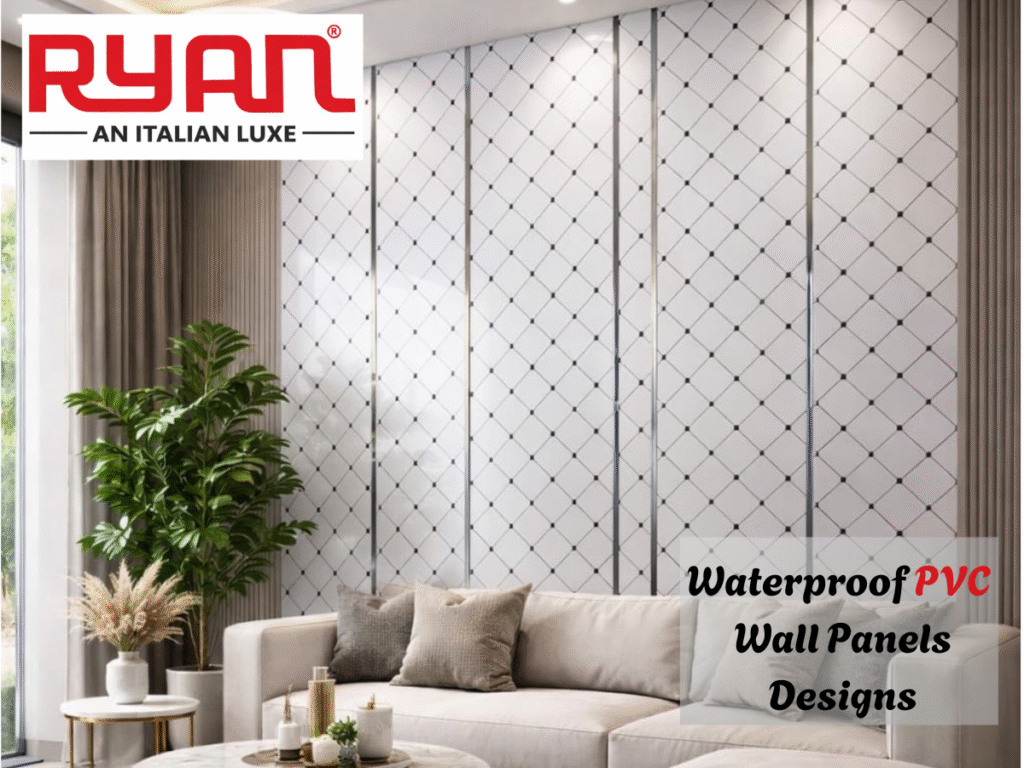
Introduction In today’s modern Indian homes and commercial spaces, PVC wall panels have become a strong alternative to traditional paint, laminate, and tiles. The reason is simple moisture, fungus, maintenance, and durability are the biggest challenges in the Indian climate, where PVC wall panels prove to be a more practical solution. Whether you’re doing a living room makeover, designing an office, or want to give your ceiling a stylish touch, PVC panels are an affordable and long-lasting solution. What Are PVC Wall Panels? PVC wall panels are plastic panels made from polyvinyl chloride. They are lightweight, strong, and completely waterproof, which makes them perfect for Indian homes, where humidity and moisture can cause problems with paint or wooden panels. You can find PVC panels in various designs, including charcoal finish panels, 3D patterns, wood-like veneer sheets, and louver panels for added style. Unlike regular wall coverings, these panels don’t get affected by termites, fungus, or water, so they last much longer and need very little maintenance. They are available in multiple finishes, such as: Charcoal wall panels. 3D PVC wall panels. PVC veneer sheets (wood look). PVC louver panels. Exterior PVC wall panels. Types & Designs of PVC Wall Panels These days, PVC wall panels have become quite popular in modern homes and offices. Their designs are also available in a wide variety. Some of the most popular types are listed below. These days, PVC wall panels have become quite popular in modern homes and offices. Their designs are also available in a wide variety. Some of the most popular types are listed below. 1. Charcoal Wall Panels Charcoal panels have a very classy and modern look. The dark color gives the room depth and a premium feel. Use: Living room, bedroom, office, reception Design: Available in matte, glossy, textured, and 3D options 2. 3D PVC Wall Panels 3D panels give walls a completely different level of look. Available in geometric designs, waves, or floral patterns, they are perfect for feature walls. Use: Hotels, living rooms, lounge areas 3. PVC Louver Panels Louver panels are stylish and allow airflow. They also look great. Use: Office partitions, false ceilings, balcony walls 4. Exterior PVC Wall Panels These panels are best for exterior walls. They protect walls from rain, sun, and pollution. Design: Stone look, brick finish, textured patterns 5. Soffit & Ceiling Panels PVC panels are also perfect for ceiling and soffit areas. They protect against moisture and easily fit with lighting. Use: False ceiling, roofing area 6. Special Type Panels Fluted Panels: Modern look with vertical lines PU Stone Panels: Natural look for accent walls UV Marble Sheets: Glossy, waterproof, best for kitchen & bathroom WPC Louvers: Combination of Wood + PVC, strong and stylish Benefits of PVC Wall Panels PVC wall panels not only look good, but they are also very practical for everyday use. This is why their use has increased significantly in both homes and offices these days. Some of the benefits are written below in simple language. 1. Water and fire resistant PVC panels do not absorb water or moisture. Therefore, they are perfect for bathrooms, kitchens, or other places with high humidity. They do not deteriorate over time like wood or gypsum. 2. Easy to Clean Cleaning them is very simple. Just take a wet cloth and wipe them down. 3. No Termite and Fungus Worries Wooden interiors often become infested with termites, which can be a major problem. PVC panels pose no risk of termites or fungus, making them quite durable and long-lasting. 4. Quick Fitting PVC panels have an easy installation system, making the job faster. Labor is reduced and time is saved. 5. No Shortage of Design Options Wood finishes, veneer looks, 3D and fluted designs—every type is available. Whether it’s a modern interior or a more traditional style, PVC panels look good everywhere. Where are PVC Panels Used (Proper Guide) The use of PVC panels isn’t limited to just one place. Whether it’s a home or an office, they’re a very useful and stylish solution everywhere. I’ll explain it in simple terms below. 1. Living Room Walls The living room is the main area of the home, where looks matter the most. Installing charcoal PVC panels or 3D wall panels here makes the wall a perfect highlight. This is the best option for creating a feature wall, giving the room a modern and premium feel. 2. Bedrooms Bedrooms require a soft and classy look. Veneer sheets or fluted panels are perfect for this. The wood-type finish makes the room feel warm and elegant, without feeling overly heavy. 3. Bathrooms and Kitchens Moisture and dampness are quite common in bathrooms and kitchens, and normal walls deteriorate quickly. Therefore, installing PVC panels is the perfect choice to protect your bathroom from moisture. These panels are waterproof and do not cause fungus or damage the walls. 4. Exterior Walls The walls inside your house are exposed to direct sunlight, rain, and pollution, which directly impact your walls. It is very important to install PVC panels to protect your walls. Installing PVC panels makes the walls look clean and strong, and also enhances the exterior look of the building, making it look much better. 5. Offices and Commercial Spaces PVC panels are used in offices in the form of partition walls, ceilings, and WPC louvers. They provide a professional look and are durable. 6. Balconies & Terraces PVC panels are also perfect for decorating balcony or terrace walls. Using stone-look or louvered panels can make the area look stylish while also protecting it from the weather. Popular PVC Wall Panels 2026 1. PVC Wall Panels What’s Special: These panels are lightweight and strong, and are completely unaffected by water or moisture. They’re easy to install and come in a wide range of design options – matte, glossy, textured, and wood-like finishes. Where to Use: Perfect for living rooms, bedrooms, kitchens, bathrooms, and office walls. Maintenance is almost zero; just clean them regularly, and they’ll
Biggest Soffit Panel Manufacturer in India – How to Choose the Right One
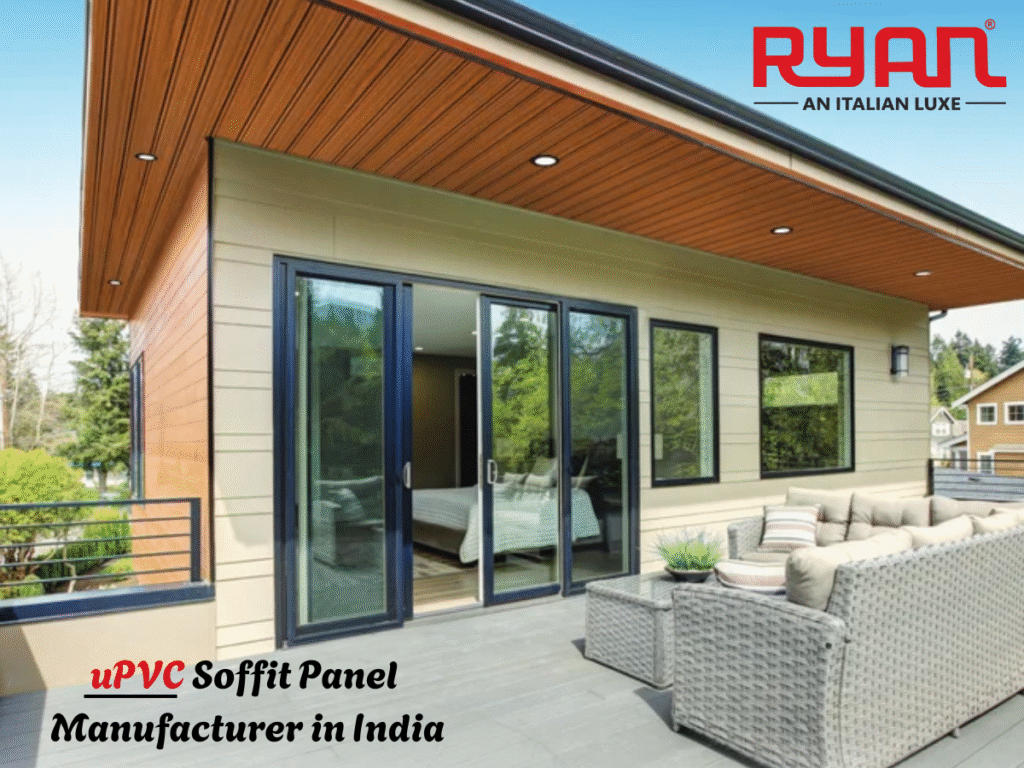
In today’s construction industry, the use of soffit panels is growing rapidly across both exterior and interior spaces. Whether it is a residential home, apartment complex, or commercial building, soffit ceilings are no longer chosen only for visual appeal. They play an important role in protecting the structure and improving long-term durability. 1. Check the Manufacturer’s Product Range A reliable soffit panel manufacturer is never limited to just one product. Today, customers expect a single supplier to provide complete interior and exterior solutions, including PVC ceiling design, PVC wall panel design, and louvers panels. If a manufacturer offers: Soffitpanels PVC ceiling panels PVC wall panels Louvers panels for walls and ceilings Then they can become a long-term partner for your projects. A wide product range not only provides more options for design but also ensures better quality control and consistent finishing across all products. 2. Material Quality & Weather Resistance Are Very Important In a country like India, soffit ceilings have to withstand heat, moisture, and dust. That’s why the panels provided by a manufacturer should be: Water-resistant Termite-proof Low-maintenance High-quality PVC ceiling designs and soffit panels offer strong protection against harsh weather conditions and keep exterior ceilings safe and durable for many years. 3. Explore Design Options & Modern Finishes Modern ceiling designs Decorative soffit ceilings Matching PVC wall panel designs for exteriors and balconies. 4. Manufacturing Capacity & Consistent Quality Panels with even and consistent thickness. Clean, smooth, and premium surface finish. Perfectly measured panels for easy installation. Large quantity orders with the same quality in every batch. Q 1. What is a soffit panel, and why is it used? Ans. A soffit panel is used to cover the underside of roofs, eaves, balconies, or ceilings. It protects your building from rain, heat, dust, and pests while giving a neat and modern look to both interiors and exteriors. Q 2. Do manufacturers provide installation support? Ans. A trustworthy manufacturer doesn’t just sell panels. They help installers while putting the panels in place and are ready to assist if any issues come up later. This makes the installation process easier and helps the project run smoothly. Q 3. Are soffit panels suitable for all weather conditions in India? Ans. Yes, PVC soffit panels are completely water-resistant. They do not absorb moisture, which makes them suitable for exterior ceilings, balconies, parking areas, and coastal locations where humidity and rain are common. Q 4. Are soffit panels termite-proof? Ans. Yes, PVC soffit panels are fully termite-proof. Since PVC is a synthetic material, it does not attract termites, insects, or pests like wood does. Q 5. Can soffit panels be used for interior ceilings? Ans. Yes, soffit panels can be used for interior ceilings in areas such as balconies, corridors, parking spaces, and utility areas.
What Is a Soffit Ceiling Panel? Benefits and Uses in India
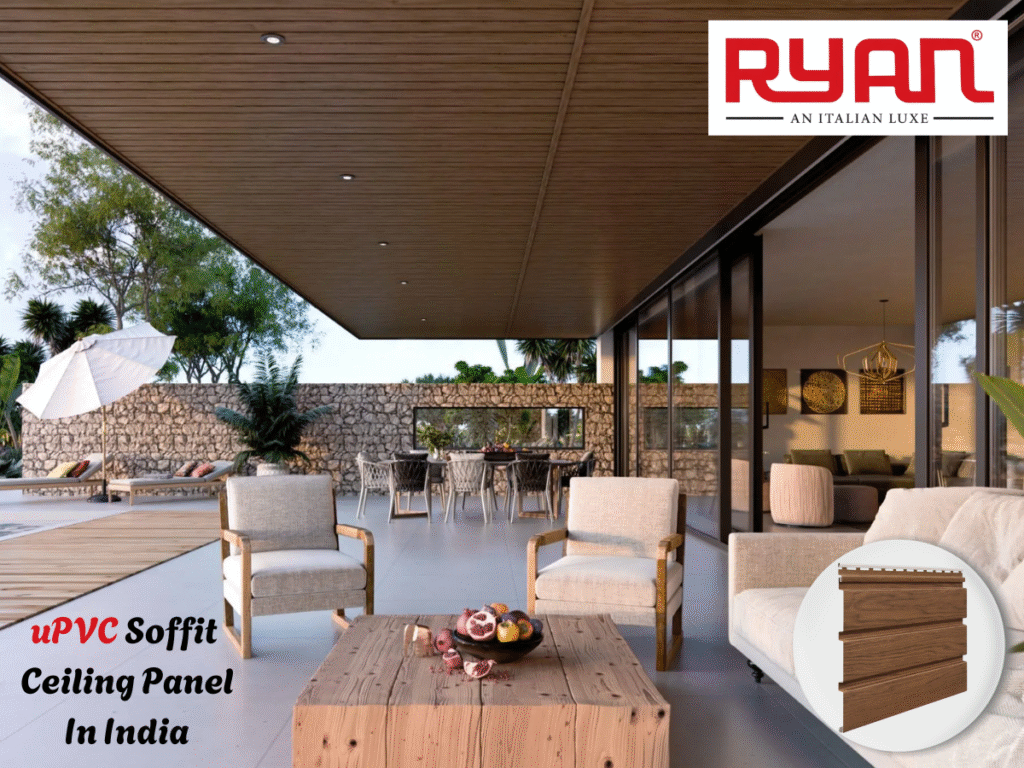
In today’s construction and architectural planning, ceiling design is no longer just about looks—it also plays a key role in protection and long-term performance. One ceiling solution that has become increasingly popular across India is the soffit ceiling panel. Known for its durability, neat appearance, and low maintenance, soffit ceiling panels are now widely used in both residential and commercial buildings. What Is a Soffit Ceiling Panel? A soffit ceiling panel is installed on the underside of roof extensions, balconies, parking areas, and exterior overhangs. Its main function is to protect exposed structural areas from weather damage while giving the building a clean and finished look. Although soffit ceiling panels are mostly used for exterior ceilings, they are also ideal for semi-open spaces where ventilation, moisture control, and strength are important. Why Are Soffit Ceiling Panels Popular in India? Indian buildings face tough environmental conditions such as heavy monsoons, humidity, dust, and extreme heat. Many traditional ceiling materials fail to perform well under these conditions. Soffit ceiling panels are specially designed to handle such challenges, which makes them a practical choice for Indian climates. Because of their durability and modern finish, many architects and builders now prefer soffit ceiling panels in India for long-lasting construction projects. Key Benefits of Soffit Ceiling Panels Strong Weather Protection Soffit ceiling panels are specially constructed from materials that can easily withstand tough weather conditions. These panels offer reliable performance in different climate zones, such as: Rain and moisture protection. Reduced the impact of high humidity. Capacity to handle high heat and sunlight. Suitable for both coastal and inland areas. Easy Maintenance Soffit ceiling panels are fairly simple to maintain, providing long-term convenience. Care for them doesn’t require much effort, such as: No need for frequent painting. No need for polishing or special treatments. Normal cleaning maintains their good appearance. Repair and replacement costs are relatively low. Clean and Modern Look Soffit ceiling panels give the building a clean and properly finished appearance, making the overall design more attractive. Provides a clean and uniform ceiling finish. Easily matches modern architectural designs. Provide a premium and luxury feel. Gives the building a professional and premium feel. Smooth soft touch finish. Better Ventilation Ventilated soffit ceiling panels maintain smooth airflow, which is crucial for exterior and semi-open areas. Air circulation improves. Moisture accumulation is reduced. Heat buildup is reduced. Ceiling areas remain fresh and comfortable. Long-Lasting Durability Good quality soffit ceiling panels are designed for long-term use and maintain their strength for years. Reduced risk of cracking or warping. No color fading issues. Less affected by weather conditions. A reliable and cost-effective solution for the long term. Uses of Soffit Ceiling Panels in India Soffit ceiling panels are quite versatile and widely used in residential and commercial projects in India. Their design and durability make them suitable for all types of environments. Balconies and Verandas: Provides a neat and modern finish to ceilings while protecting them from moisture and dust. Parking Areas and Basements: Protects against humidity and dampness and provides a low-maintenance solution. Roof Overhangs and Exterior Ceilings: Weather-resistant panels make exterior areas strong and aesthetic. Commercial Complexes, Malls, and Offices: Provides long-lasting durability with a professional look. Q1 Are soffit ceiling panels waterproof? Ans. Most soffit panels don’t let water in, which makes them great for outdoor use. They keep your ceilings safe from rain, dampness, and moisture. Q2: How long do soffit ceiling panels last? Ans. If you use good-quality panels and take care of them, they can easily last 10 to 20 years or even longer. How long they last depends a lot on the material and how well you maintain them. Q3: Do soffit panels need a lot of maintenance? Ans. Not really. Soffit panels don’t need much upkeep. Wiping them down from time to time is usually enough to keep them looking clean and in good shape for years.
Fluted Wall Panel Made from Advanced Technology
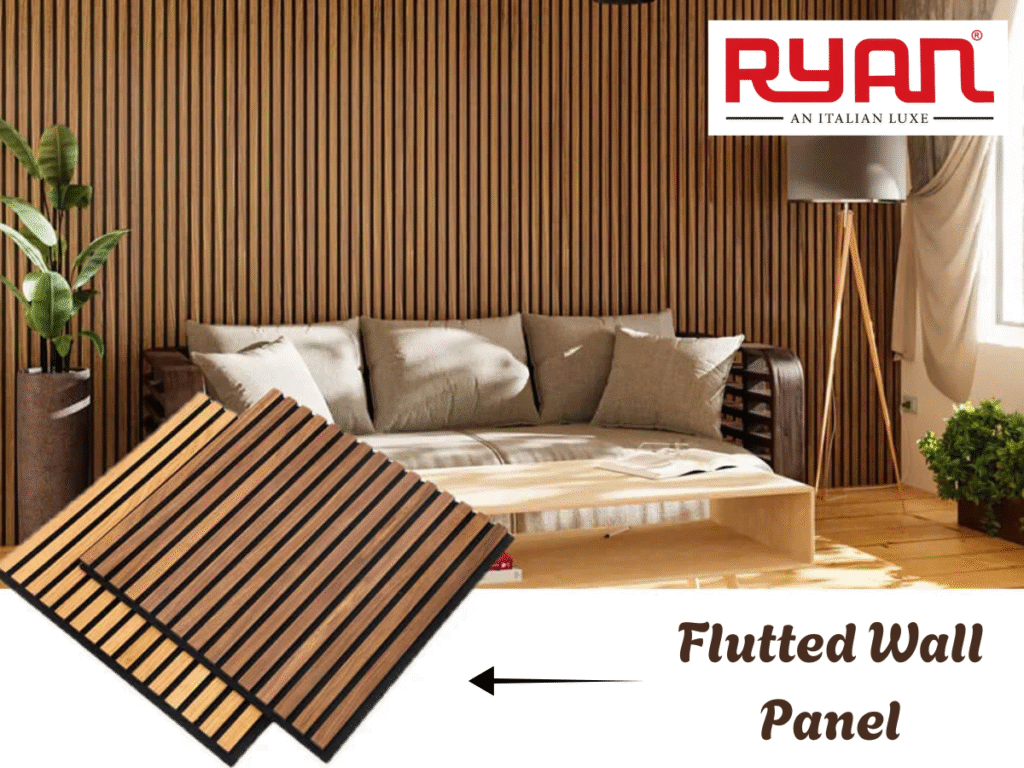
Modern interiors look incomplete without certain elements, and wall panels are one of the top ones that no homeowner should ignore. These create a visual appeal while improving the architecture beyond just the purpose of sheltering. Flutte wall panels are unique because, even though they are something modern, their design is inspired by ancient architecture. Without being overly flashy, they create a sophisticated aesthetic in the upscale residences, offices, hotel and restaurants. As the demand grows for these groovy panels, the role of technology becomes stronger. Role of Technology in Flutted Wall Panel Flutted wall panels appear to be a decorative piece in the interiors with uniformly consistent lines separated by flute-like ridges. When the right techniques and machinery are used in its fabrication, it goes beyond the decoration and becomes a remarkable piece of architecture. Whether it is the composition of materials, quality management, cutting and forming process, technology increases the consistency and reliability of the flutted panels. Advanced Technology Used in Making Flutted Wall Panel When engineers join the process of manufacturing flutted panels, they bring their material knowledge, software and machine-using skills, along with project management abilities. Here’s how they implement the best technology: Durable Raw Material Modern flutted panels are composed of materials that resist cracking, warping, swelling and mould growth. For this, premium-grade raw materials are used and processed to improve the strength and stability of the basic framework. Precision Manufacturing There are many dimensions to be taken care of when manufacturing flutted panels. The panel width, ridge width, panel thickness, and flute depth are crafted using CNC machines for cutting, shaping and forming processes. To improve the surface density, high pressure moulding technique is implemented. Automated finishing gives calibrated output without dimensional inconsistencies. Design Simulations As the manufacturers are equipped with the design software, they can create simulations to test the model. This helps them check the durability and performance of the panel under various conditions without needing material. It reduces the cost of manufacturing, which eventually translates into an affordable piece. Conclusion By using well-tested raw materials, precision engineering machines, simulation software and the latest organizational tools, the manufacturers of flutted wall panels are enhancing the way these are made and installed in homes. Use of digital monitoring and quality inspection methods is also an important part of the process. We at Ryan PVC use our manufacturing expertise in providing a vast range of flutted panels for our customers.
Future of Interior Designing With Our Latest Modern Collection of Panels
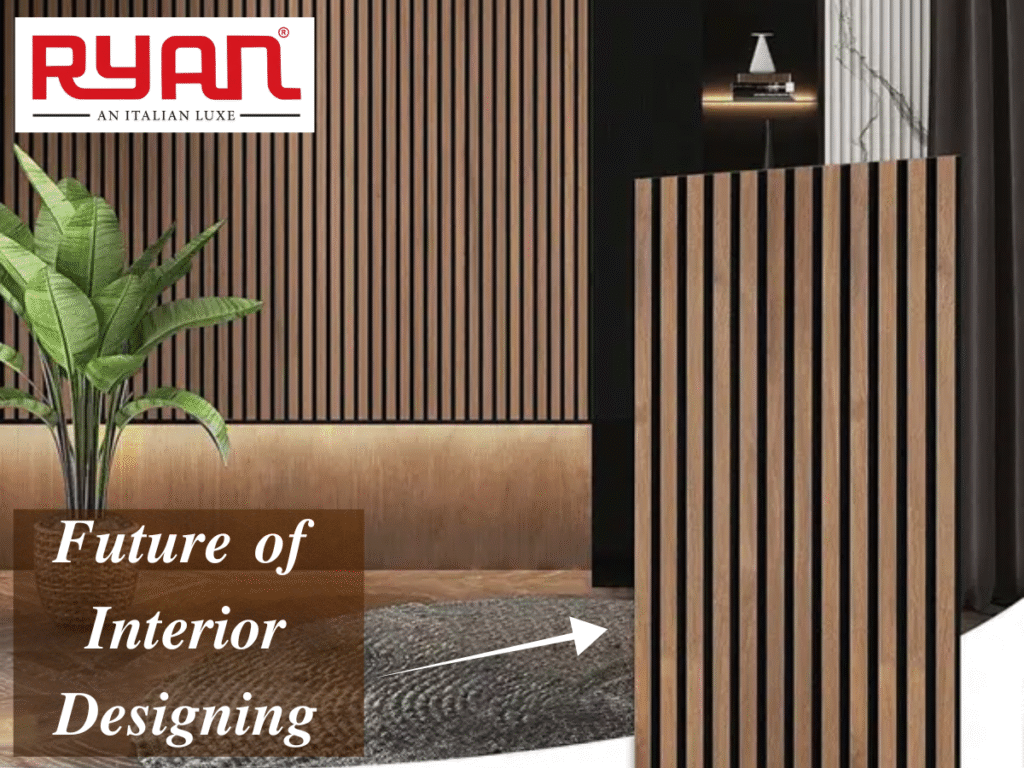
Interior designing is not just about filling the room with balanced colours in an orderly fashion. There are a lot of aspects that also come into play. The material, environmental conditions, maintenance capacity, budget, and many other factors determine the design. With the rising urban population, home and office builders rely on interior design solutions for a well-crafted and thoughtfully built space. As Ryan PVC, we are known for our interior and exterior solutions for residential and commercial buildings. Our panels are made with advanced technology, combining the creativity of designers and the precision of engineers. We make our designs that shape the trends of the interior design industry. Future Trends in Interior Design Balance in Appearance and Performance When a house has been designed by an expert, it always has a refined look. But what it cannot guarantee is how long it will last. The aware customers now demand fine appearance with well-performing materials that resist daily wear, humidity and temperature changes. Texture Without Chaotic Visual Traditional interiors featured panels made of stone and wood with textures that caught attention and added a tactile flair. However, it added weight to the structure and created some noise. When the charm wears off, the same beautiful textured interiors can feel like a burden. Instead of heavy finishes, excessive ornamentation, soft contrast and rhythmic patterns will take over soon. Low-Maintenance Panels Modern interiors are not judged by their instant appearance, but by how long they survive the test of time. It is not feasible to compromise on maintenance and prioritize beauty. Panels with materials that require less maintenance, such as PVC wall panels, are an excellent alternative. Collection of Panels by Ryan Ryan PVC has a wide collection of panels that are reshaping the modern interior design trends. Here is a glimpse into our range: Fluted panels with rhythmic patterns in accent and feature walls. Soffit panels for protecting overhang ceilings and creating a smooth transition between exterior and interior. WPC louvers combine the benefits of the warm appeal of wood, while also consisting of thermosetting polymers that increase the lifespan. PU stone and charcoal panels create a textured panel with synthetic materials. Our marble sheets are reinforced with UV-resistant preservatives that enhance performance against harsh sunlight. Conclusion The modern interiors have shifted from the stones and solid wood to synthetic polymers, engineered wood and materials that mimic the natural look without depleting the natural resources. They are easy to maintain and survive numerous environmental conditions. Clean lines, clear edges and balanced visual weight and soft contrast will define the future of interior designing, and we at Ryan PVC are making panels based on these new trends.
Stylish PVC Louver Panels With Different Designs for Modern Houses
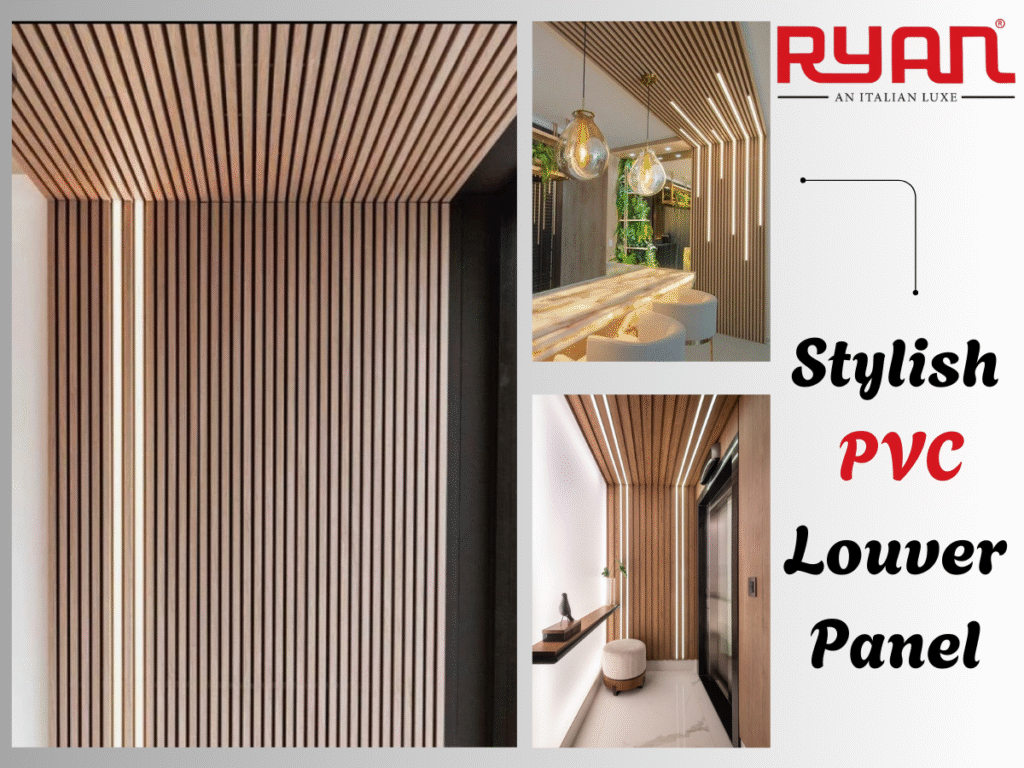
PVC louver panels go beyond the perceived limitations of the home interior design traditions. They break several misconceptions and set new trends. Louvers were traditionally used for ventilation in kitchens, shading, and maintaining privacy. On the other hand, PVC was never associated with large interior elements. But the modern homes break these notions, using PVC louvers for both functional and aesthetic purposes. They bring a depth of character, refined look and consistent patterns to make the interiors come alive. PVC Louver Panel Design Ideas A good PVC louver panel has the characteristics of turning a simple or mundane home into a luxurious and appealing one that makes guests go wow. As PVC has compatibility with a wide variety of painting, lamination and veneer layers as finishing options, it gives a diverse option to the homeowners. Here are some of the design ideas: Horizontal Slat Louvers Horizontal slats are suitable for living rooms and large halls. They make the space look neat, balanced and well-composed. Light finishes make the interior feel open, while the darker tones add depth. Partition Louvers Partition louvers are useful in interiors where complete separation is not needed. It functions by creating partial separation without closing off the space. These are common between living and dining areas, pooja areas and other spaces. Framed Louvers Frames louvers have bordersthat give them a finished look. It maintains symmetry and brings structure to the louver. They are suitable for the ceiling, bedroom walls and window surroundings. Chevron and Angled Louvers Chevron PVC lourvers are best for accent walls. They give a free-flowing feel to the interior. They suit the TV backdrops, the wall behind seating areas and the entrance wall. Perforated Louvers Simple, perforated louvers keep the flow of air and sunlight through the separate spaces. They work well in contemporary homes where sleek designs are much appreciated. Dual Tone Louvers As PVC louvers are available in a wide variety of finishes, the dual shades of dark and light tones can combine to create a beautiful contrast in the interiors of villas, apartments and other residential spaces. Conclusion Whether you are making a regular modern home or a luxury villa, the right choice of PVC louvers can elevate your interior design to the next level. Create a visually appealing design that leaves a great impression on the guests with a suitable louver panel pattern and finishes. We at Ryan PVC provide complete guidance in the selection of the appropriate panel for your space.
Which Type of uPVC Soffit Panel Is Best for Your Home?
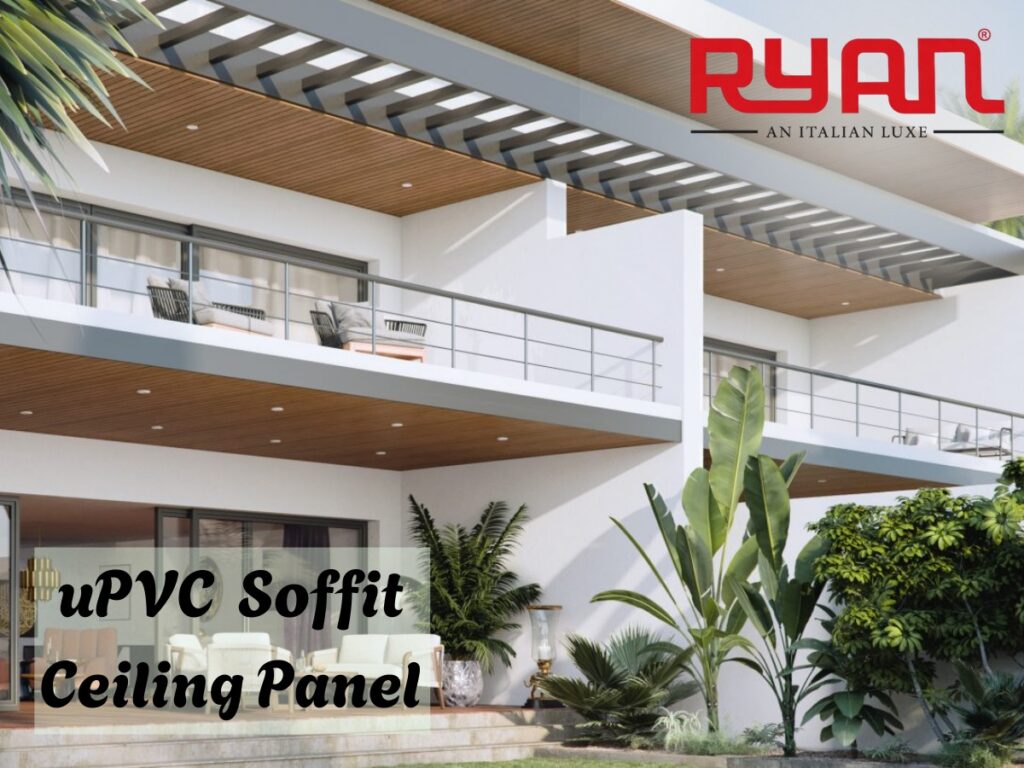
Choosing the right soffit panel for your home makes a big difference — not just in beauty, but also in how well your roof stays protected and ventilated. Today, uPVC soffit panels are one of the most trusted solutions for homes because they are tough, easy to care for, and look good for years. At Ryan Interior and Exterior Solution, we guide homeowners to pick the right soffit panel based on house design, climate, and budget. In this article, you will learn about different uPVC soffit panel types and which one works best for your home. 1. Solid uPVC Soffit Panels – Best for a Clean & Sleek Look For homeowners who love a simple, modern look, solid uPVC soffit panels are an excellent choice. These panels have a smooth, continuous surface without any ventilation holes, giving your roofline a neat, polished, and seamless appearance. Solid panels are especially useful in homes where ventilation is already taken care of through other roof systems. Their closed design also helps prevent dust, insects, and moisture from getting under the roof. Best For: Modern homes and luxury villas Areas where extra roof ventilation isn’t needed Homeowners looking for a premium, seamless finish Key Benefits: Made from strong, long-lasting uPVC Very easy to clean and maintain Resistant to moisture, termites, and rust Why are solid uPVC panels so popular? Here are the reasons: Sleek & Modern Look: The smooth surface makes a home look absolutely classy and clean. Strong & Long-Lasting: They’re made of uPVC, so there’s no chance of warping, cracking, or peeling. Low Maintenance: Simply clean them occasionally with water and a mild detergent and they’ll look like new. Pest-Proof: No termite or insect infestations like wooden panels. Moisture & Rust Resistant: Rain, humidity, or dampness? No problem! Panels are safe. Where Solid uPVC Soffit Panels Work Best Solid uPVC soffit panels produce the best results where clean finishing and durability are prioritized. These panels are especially suitable for homes where the exterior design is simple, modern, and well-planned. Additionally, these panels are also used in high-end residential projects because they are a long-term solution and don’t pose maintenance stress. In areas where roof ventilation is already managed through another system, solid uPVC soffit panels are a practical choice. Because they don’t have ventilation holes, they help prevent dust, insects, and moisture from entering the roof. FAQ – uPVC Soffit Panels Ques. What is a uPVC soffit panel? A uPVC soffit panel is a type of panel installed under the roof edges, known as eaves. It helps improve the look of your home while protecting the underside of the roof from moisture, dust, and insects. Ques. How much maintenance do they need? Ans. Very little. Just clean them occasionally with water and a mild detergent, and they will stay in good condition for years. Ques. Why should you choose solid uPVC soffit panels? Ans. Solid uPVC soffit panels look stylish and high-end. They are very durable, stand up well to water and pests, and with simple care, they can last for many years. Ques. How long do solid uPVC soffit panels last? Ans. Solid uPVC soffit panels are known for their long life. With proper installation and basic cleaning from time to time, they can protect your home for 15 to 25 years or even more. Ques. Are solid uPVC soffit panels suitable for all weather conditions? Ans. Solid uPVC soffit panels are well-suited for different weather conditions. They continue to perform well in heavy rainfall, humid areas, hot climates, and mild cold weather.
Are uPVC Soffit Panels Really Water- and Termite-Proof? A Complete Explanation
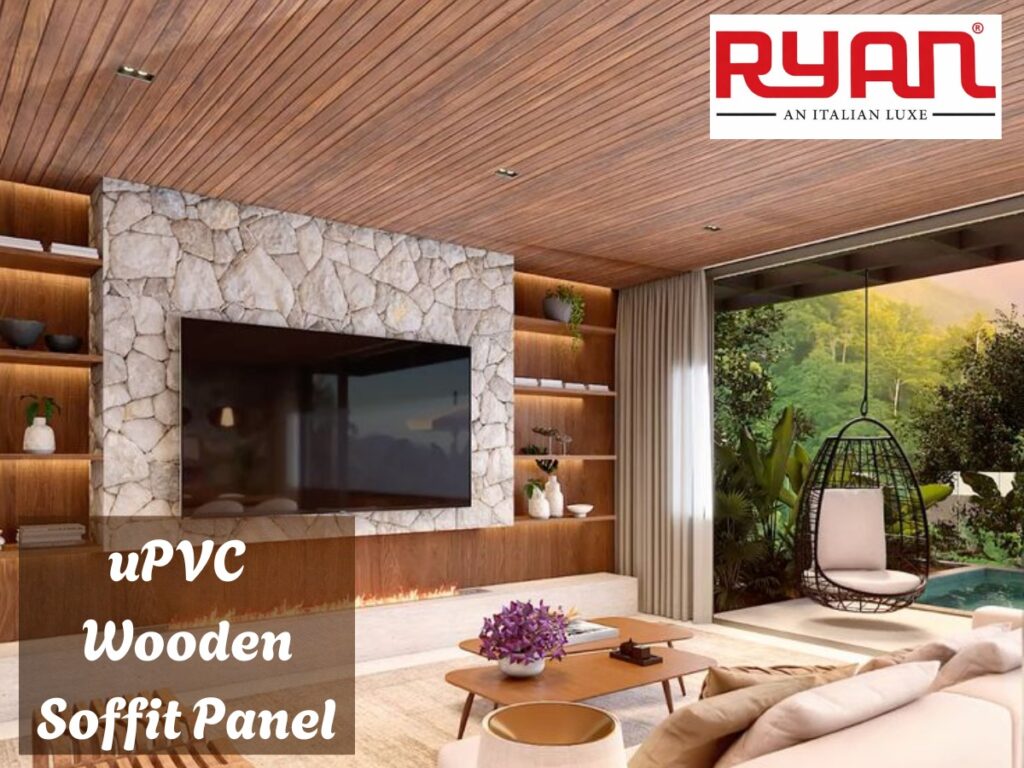
When designing balconies, terraces, porches, or any exterior ceiling area, one concern always arises how to protect the structure from moisture, termites, and long-term damage. Rainwater seepage, humidity, and pests can slowly weaken exposed slabs if they are left untreated. This is where uPVC soffit panels have become a preferred solution in modern construction. What Exactly Are uPVC Soffit Panels? uPVC Soffit panels are finishing panels fixed on the underside of balcony slabs, roof projections, eaves, and exterior ceilings. Their main role is to cover exposed concrete, beams, wiring, and plumbing lines, giving the space a clean and finished appearance. Unlike indoor false ceilings, uPVC soffit panels used outdoors must withstand rain, heat, humidity, dust, and insects. That’s why material selection plays a crucial role in their performance and durability. How Do uPVC Soffit Panels Protect Against Water? Water-Resistant Material Composition Most outdoor uPVC soffit panels are manufactured using PVC (Polyvinyl Chloride) or treated (Wooden soffit ceiling material. Unlike gypsum boards, PVC panels, and properly treated wooden soffit ceilings perform well against moisture and weather exposure. PVC uPVC soffit panels remain stable even during heavy monsoon conditions. They do not crack or peel due to moisture. Cleaning is simple and does not require special treatment. Due to these qualities, uPVC soffit panels are widely used in balconies, terraces, and exterior ceilings where exposure to moisture is unavoidable. How Do uPVC Soffit Panels and Wooden Soffit Ceilings Handle Termites? Termites can be a real headache, especially in places where there’s a lot of wooden stuff. Normal wood is like candy to them, and they can slowly eat away at it, causing significant damage and costing a ton to fix. That’s where uPVC soffit panels come in. Panels made from PVC (Polyvinyl Chloride) or Wooden Soffit are pretty much termite-proof because of how they’re made: PVC is fully man-made – it doesn’t have cellulose (the stuff termites eat), so they won’t touch it. Wooden soffit ceilings– When chemically treated and polished properly, offer strong resistance against termites and insects/. Properly seasoned and treated wooden soffit ceilings reduce cracking and minimize spaces where termites can settle. Extra Benefits of uPVC Soffit Panels Looks good – comes in lots of colors and textures. UV-resistant – panels don’t fade in the sun. Low maintenance – easy to clean, no painting or special treatments needed. Some insulation –wooden soffit ceilings can help reduce heat and slightly improve acoustic comfort. Conclusion Protecting exterior ceilings from water damage and termite issues is an important part of long-lasting construction. uPVC soffit panels have proven to be a dependable option because they do not absorb moisture, resist weather changes, and remain stable even in outdoor conditions. Their low maintenance requirement and clean finish make them suitable for balconies, terraces, and open ceiling areas. Wooden soffit ceilings can also be used when the wood is properly treated and maintained. With correct seasoning and chemical treatment, they offer decent resistance to termites while adding a natural look to the space. In the end, uPVC soffit panels are ideal for those looking for durability and ease of care, while treated wooden soffit ceilings work well for homeowners who prefer a traditional appearance with regular upkeep. Ques. Can uPVC panels handle heavy rain? Ans – uPVC Panels are waterproof, so rainwater does not damage them directly, and they do not rust or swell, no matter how heavy the rain is. Therefore, they are best for outdoor use, like a balcony, bathroom, or exterior wall. Ques. How long do uPVC soffit panels last? Ans – uPVC soffit panels are designed to withstand rain, strong sunlight, moisture, and dust without absorbing water. Ques. Do uPVC soffit panels require regular maintenance? Ans – uPVC Soffit Panels require very little care. Sometimes, cleaning with water or a little detergent is enough. They do not require any paint or polish, and save on your expenses to Ques. Is the installation of uPVC soffit panels complicated? Ans – No, installation is quite straightforward when done by trained professionals. The panels are lightweight and designed for easy fixing, which also helps reduce installation time and labor costs. Ques. Can uPVC soffit panels hide electrical wiring and pipes? Ans. Yes, one of the main advantages of uPVC soffit panels is that they neatly conceal exposed wiring, plumbing lines, and uneven concrete surfaces, giving exterior ceilings a clean and finished look.
Which Type of uPVC Soffit Panels Is Best for Lobby Areas?
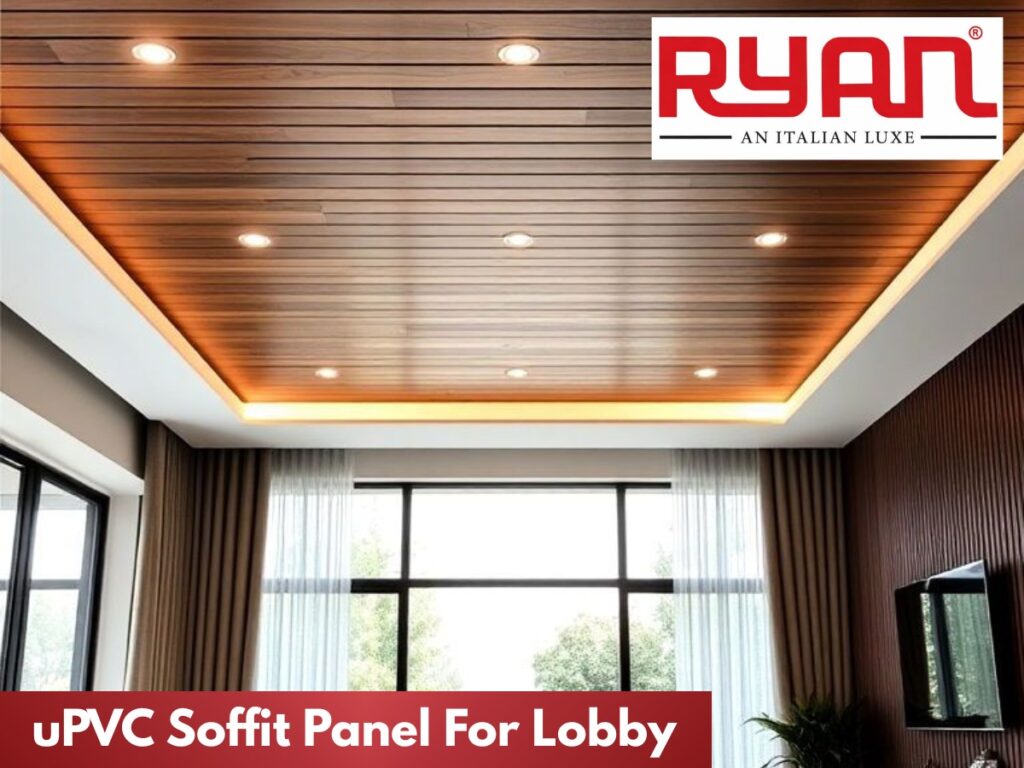
The lobby plays a key role in shaping how a building is perceived. It is the first space people see, whether they are entering a corporate office, a hotel, a hospital, or a residential complex. For this reason, the design of the lobby ceiling goes beyond decoration. It directly reflects the standard, planning, and professionalism of the entire property. In recent years, uPVC soffit panels have become a preferred choice for lobby ceilings in modern construction and interior projects. Their popularity is not only due to their clean appearance but also to their practical benefits. When installed correctly, uPVC soffit panels offer a neat finish while helping maintain a well-organized ceiling layout. The Importance of a Lobby Ceiling The lobby is the very first part of a building that visitors see, and it plays a huge role in creating an impression. Whether it’s a hotel, an office, a hospital, or an apartment complex, the ceiling design can make a big difference. A carefully designed ceiling makes the space look tidy, welcoming, and stylish. On the other hand, a ceiling that looks plain or poorly planned can make the entire lobby feel uninviting or chaotic. Why uPVC Soffit Panels Are Popular These days, uPVC soffit panels have become a favorite choice for lobby ceilings. Unlike traditional materials such as wood or plaster, they are both durable and stylish. They create a smooth, neat finish that instantly makes the space look modern and well-kept. Because they are long-lasting and visually appealing, many designers and building owners prefer uPVC panels for lobbies, which are high-traffic areas that need to look good at all times. Variety of Designs and Finishes uPVC soffit panels are popular in part because they come in a wide range of styles. You can find panels with matte finishes, glossy surfaces, or even wood-like textures, which makes it easy to match the ceiling to the look and feel of the building. Benefits Beyond Appearance uPVC panels offer more than just a neat look they also help keep the ceiling well-organized. They can hide unsightly items like electrical wires, air-conditioning ducts, and plumbing pipes, giving the lobby a clean and clutter-free appearance. Because these panels are lightweight and easy to fit, they are ideal for busy areas that see a lot of foot traffic. On top of that, they are very low-maintenance, so the ceiling stays in great condition without much effort, making them a practical choice for any lobby. Conclusion If you also want to give a new and stylish look to the lobby of your house, then the best option is a uPVC Soffit Panel. After installation, these panels not only give a stylish and elegant look to the house but are also durable and practical. Choosing the right panels can make your lobby look even more attractive, which has a positive impact on visitors. FAQ: uPVC Soffit Panels for Lobbies Q-1. Why should I choose uPVC soffit panels for the lobby ceiling? Ans. The lobby is a high-visibility area. uPVC soffit panels provide a clean look, are durable, and require very little maintenance, making them the perfect choice for lobbies. Q-2. Can these panels cover wiring and AC ducts? Ans. Yes, uPVC Soffit Panels easily hide AC ducts, wiring, or pipes, making the lobby look cleaner and more organized. Q-3. Do uPVC soffit panels look good with lighting? Ans. These panels look great with lights, LED lights, spotlights, or concealed lighting. They reflect light even more and brighten the lobby. Q-4. Are uPVC soffit panels suitable for luxury lobbies? Ans. Yes, these panels give a premium or stylish look to the lobby. Glossy or wood finish panels are quite suitable for hotels or corporate buildings. Q-5. Are these panels reliable for long-term use? Ans. Yes, uPVC soffit panels are very durable and long-lasting; if proper installation is done, they last for a long time.
What is a uPVC Soffit Ceiling Panel for a Balcony? A Complete Guide
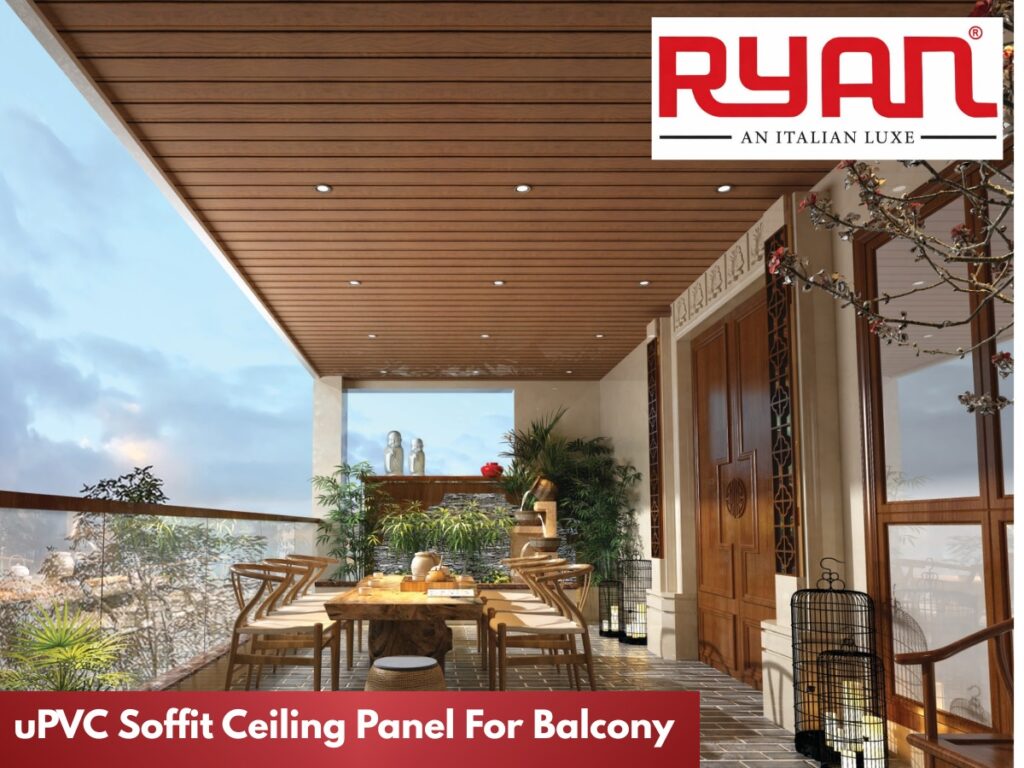
A balcony is not just an extra space in a home; it is a place where people relax, enjoy fresh air, and spend quality time. While designing a balcony, most people focus on flooring and railings, but one important element often goes unnoticed the uPVC soffit ceiling. In today’s modern residential and commercial buildings, uPVC soffit ceilings for balconies are widely used because they offer protection, durability, and a neat finished appearance. A well-installed uPVC soffit ceiling can significantly improve both the look and lifespan of a balcony. What is a uPVC Soffit Ceiling for Balconies? A uPVC soffit ceiling is the finished surface installed on the underside of a balcony slab or roof projection. Its main purpose is to cover exposed concrete, beams, electrical wiring, and plumbing lines, giving the balcony a neat, clean, and well-finished look. Unlike indoor false ceilings, uPVC soffit ceilings used in balconies are made especially for outdoor conditions. They are designed to handle moisture, heat, dust, and changing weather without losing their strength or appearance. Because of this, uPVC soffit ceilings are a practical and long-lasting solution for both residential and commercial balconies. Why is uPVC Soffit Ceiling Important for a Balcony? A uPVC soffit ceiling covers the exposed area of a balcony niche, preventing rain, moisture, and dust from directly damaging the slab. If this area remains exposed, problems like cracks, seepage, and rust can develop over time. Installing a soffit ceiling makes the balcony stronger and reduces maintenance. Not only protection, a uPVC soffit ceiling significantly improves the look of a balcony. The balcony appears clean, proper, and modern. Adding overhead lights makes the space feel even brighter and cozier, making it a great place to sit and relax. Common Materials for Balcony uPVC Soffit Ceiling There are many materials available on the market for balcony uPVC soffit ceilings, but PVC and Wooden Soffit Panels are considered the most reliable and popular options for outdoor balconies. 1. PVC Soffit Panels Very lightweight, no load issues. Completely resistant to water, moisture, and humidity. No worry about rain or seepage. Cleaning is easy, and maintenance is almost zero. The best option on a budget, so they are widely used in apartments and homes. 2. Wooden Soffit Ceiling Gives a wooden look without the problems of wood. 100% water-resistant and termite-proof. Easily handles all weather conditions. Long-lasting and strong material. Gives a modern and premium finish to a balcony. Conclusion Installing a uPVC soffit ceiling in the balcony is a smart idea that will make your home look even better than before, and will appear beautiful. Soffit ceiling makes the balcony safe, long-lasting, and attractive. PVC provides a cost effective solution and Wooden Soffit Ceiling provides a premium look and extra durability. By installing this, the slab ceiling of the balcony remains protected, and it does not get damaged by moisture and dust. The balcony looks neat and clean. Balcony uPVC Soffit Ceiling – Frequently Asked Questions (FAQs) Q-1.Is a uPVC soffit ceiling safe for a balcony? Ans. Yes, absolutely, PVC or Wooden soffit ceilings are specially designed for outdoor use and are completely safe. Q-2.Which is better: PVC or Wooden Soffit Ceiling? Ans. If your budget is low, PVC is the best option, but if you want a premium look and long-term durability, a wooden soffit ceiling is a better option. Q-3.Can a uPVC soffit ceiling help prevent seepage problems? Ans.Yes, the soffit ceiling avoids direct exposure to the balcony slab, thereby reducing seepage or moisture issues to a great extent. Q-4. Can balcony uPVC soffit ceiling lights be installed? Ans. Yes, absolutely, LED lights, spot lights, or strip lights are easily installed in the soffit ceiling.
