
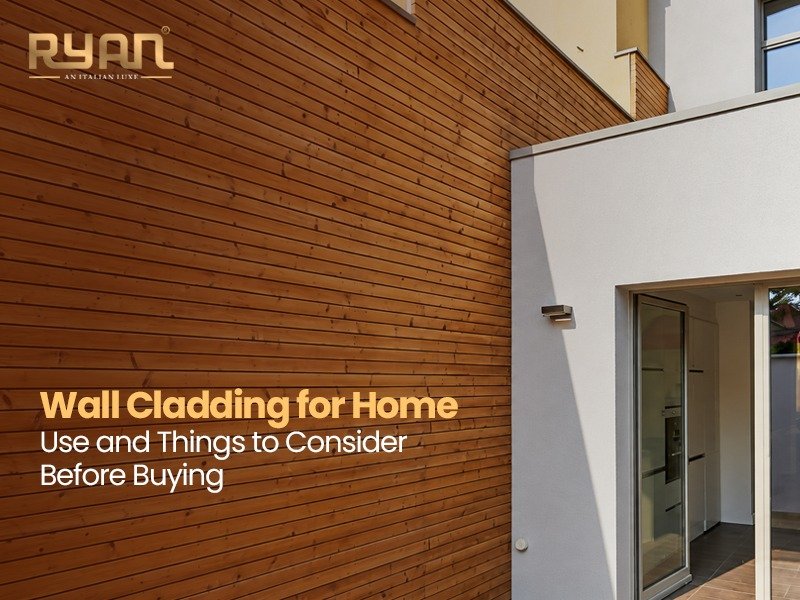
The first thing a person notices when they walk inside a home is the walls. A plain, boring wall can make a room feel incomplete but a well-designed wall can make the room feel more complete. Wall cladding is a way of changing the appearance of walls through the use of color, texture and design.Wall cladding is available in a range of finishes and materials. Which one is right depends on where you want to use it, the look you want and the amount of maintenance you are comfortable with.
Where Can Wall Cladding Be Used?
Wall cladding can be used in different areas of a home. It does not always have to cover the complete room. Many homeowners use it on one wall to create a simple feature area.
Living Room
The living room is a common place for wall cladding. A wall behind the TV, sofa or display unit can be used as a feature wall. For instance, if the living room has light furniture and plain walls, a wood-look or textured wall cladding design can add some contrast. The other walls can be left plain so the feature wall does not look too heavy.
Bedroom
The wall behind the bed is another good place for wall cladding. A simple design may be used as a backdrop for the bed and the side tables. If the bedroom is small, a simple color and pattern will give a clean look. You don’t need to go bold on all of your walls.
Dining Area
A small portion of the wall close to the dining table can be used for wall cladding. This can help to divide up the dining area visually from the rest of the room. A simple dining area can add character with a textured wall behind the table and basic lighting.
Entrance or Lobby
The entrance wall is the first part of the home that guests usually see. A simple cladding design can make this area look more finished without adding too many decorative items.
What to Look For Before Buying?
You may not always be right to choose wall cladding on the basis of just its looks. Before deciding, a few basic things need to be checked.
Check the size of the wall. Measure the area properly to know the amount of material required.
See room design: The color and texture of the panel should be matched with the furniture, floor and other walls.
Cleaning: Think about cleaning. Some surfaces may need to be cleaned more often, particularly in areas where dust collects.
Think of where it’s going. A material that is good for an indoor wall may not be the best for an outside wall.
Check the finish. If possible, look at the actual surface and color before you buy. Photos may look different than the actual product.
PVC Wall Panel or Paint?
Painting is still a simple option for many walls but wall cladding can add texture and a different visual effect. You can change paint easily, whereas cladding is more about the design of a wall. For example, a homeowner may keep three walls painted and use cladding on the TV wall. This gives the room a feature without making the complete space look busy.
Final Thoughts
Wall cladding can be used to give a plain wall more character and create a clear feature area in a home. Living rooms, bedrooms, dining areas and entrance walls can all be considered depending on the design. Before buying, always look at the wall size, room design, material, finish and location. A simple design that matches the space can often give a better result than choosing a very detailed design only because it looks attractive.
